Steel Grinding Balls Market Size, Share & Industry Analysis, By Material Type (Carbon Steel, Alloy Steel), By End Use (Mining, Cement), and Regional Forecast, 2026-2034
 Download Free Sample

Steel Grinding Balls Market Overview
The global steel grinding balls market size was valued at USD 5.24 billion in 2025. The market is projected to grow from USD 5.55 billion in 2026 to USD 8.77 billion by 2034, exhibiting a CAGR of 5.90% during the forecast period.

The steel grinding balls market is a crucial segment within the industrial consumables landscape, serving industries that rely on mineral processing, cement manufacturing, and industrial milling operations. Steel grinding balls are precision‑engineered media used in ball mills to crush, grind, and pulverize materials into fine powder or slurry, enabling downstream processing. The steel grinding balls market report highlights how robust industrial activity, expansion of mining operations, and increased cement demand are driving consumption of these essential mill media. The steel grinding balls market analysis emphasizes the importance of material quality, wear resistance, and durability, which directly influence milling efficiency and operating costs. As industries pursue higher throughput and improved product yields, the steel grinding balls market growth reflects the ongoing replacement cycles and demand for high‑performance grinding solutions across diverse global end‑use sectors.
In the USA steel grinding balls market, demand is driven by extensive mining, construction, and industrial manufacturing activities. The United States relies on steel grinding balls for ore processing, aggregate milling, and cement production, where operational efficiency and media performance are critical. steel grinding balls market Insights indicate that U.S. manufacturers and mining operators increasingly seek high‑quality steel grinding media that enhance mill performance, reduce downtime, and lower total cost of ownership. The steel grinding balls market outlook in the USA also shows a growing emphasis on custom formulations tailored for specific milling conditions, including controlled hardn
Steel Grinding Balls Market Key Takeaways
 Global Market Size & Forecast
- 2025 Market Size: USD 5.24 Billion
- 2026 Market Size: USD 5.55 Billion
- 2034 Forecast Market Size: USD 8.77 Billion
- CAGR: 5.90% from 2026-2034
 Market Share
- Asia-Pacific dominated with a 35% market share in 2025.
- Carbon steel grinding balls accounted for approximately 55% of the market share.
- Mining applications dominated with approximately 60% market share.
 Key Regional Highlights
Asia-Pacific
Asia-Pacific dominated with a 35% share of the global market in 2025.
North America
North America accounted for 30% of the global market in 2025.
Europe
Europe held a 25% share of the global market in 2025.
U.S.
The U.S. is a key market supported by demand from mining and cement industries
Japan
Japan accounted for 21% of the Asia-Pacific steel grinding balls market.
Read More

Steel Grinding Balls Market Latest Trends
The steel grinding balls market trends reveal several noteworthy patterns that are reshaping market dynamics, technological adoption, and competitive strategies. A key trend in the steel grinding balls market report is the shift toward high‑wear resistance and high‑performance grinding media designed to increase milling efficiency and decrease replacement frequency. Steel grinding balls with optimized microstructures and advanced alloy compositions are gaining traction across mining and cement applications due to their ability to withstand abrasive environments, reduce media consumption, and lower total operational expenditures. The steel grinding balls market Forecast shows that industries requiring long service life and high reliability are increasingly selecting precision forged and heat‑treated grinding balls that provide uniform size distribution and enhanced impact resistance.
Download Free sample to learn more about this report.
Another prominent trend in the steel grinding balls market analysis is the expansion of customized grinding solutions tailored for specific mill configurations, ore characteristics, and processing objectives. Mill operators are demanding media that are engineered for particular grinding loads, mill sizes, and desired product fineness, resulting in the adoption of specialized media with tailored hardness, tensile strength, and fracture toughness parameters. The steel grinding balls market Insights also highlight the integration of advanced quality testing, non‑destructive evaluation, and performance monitoring to ensure consistency and effectiveness in critical applications.
Steel Grinding Balls Market Dynamics
DRIVER
Rising Demand for Efficient Grinding Media
The primary driver in the steel grinding balls market is the rising demand for efficient grinding media that enhance operational performance and reduce milling costs. Industrial sectors such as mining and cement production require grinding media that can deliver improved wear life, consistent size distribution, and reliable performance under harsh operating conditions. Steel grinding balls are essential for crushing and grinding ores, minerals, and raw materials in ball mills and SAG mills, making them indispensable components in comminution circuits.
Enhanced media performance reduces downtime, minimizes media consumption, and improves overall productivity, making it a key driver of the steel grinding balls market growth. Mill operators prioritize media with controlled hardness, superior impact resistance, and optimized microstructure to achieve desired throughput and fineness, resulting in increased adoption of high‑performance grinding solutions. The steel grinding balls market report highlights how demand from large‑scale mining operations and industrial milling facilities continues to fuel growth as industries seek milling solutions that balance performance, cost, and durability.
Steel grinding balls also directly impact energy efficiency and cost of production, as improved grinding media can decrease energy consumption per ton milled while maintaining targeted particle size distribution. As global industrial activities expand, the need for optimized milling media that support scalable and reliable operations remains a critical driver of market expansion.
RESTRAINT
Volatile Raw Material Prices and Supply Chain Challenges
A significant restraint in the steel grinding balls industry analysis is the volatility of raw material prices and the impact on production costs. Steel grinding balls are produced from carbon and alloy steels whose raw materials, such as iron ore, scrap steel, and alloying elements, can experience price fluctuations driven by global supply dynamics. Manufacturers face challenges in stabilizing production costs while ensuring consistent quality, leading to potential price pressures on end customers and affecting adoption rates.
Supply chain disruptions, logistical bottlenecks, and material shortages can further constrain production schedules, delivery times, and overall market responsiveness. These factors may limit the ability of grinding media suppliers to scale operations or offer competitive pricing in certain regions. The steel grinding balls market trends reveal that manufacturers are seeking to mitigate these constraints through strategic sourcing, lean inventory practices, and improved production planning. However, persistent supply chain uncertainties and fluctuating raw material costs remain a restraint that can influence market growth and profitability for both suppliers and end users.
OPPORTUNITY
Growth in Mining and Infrastructure Development
A major opportunity in the steel grinding balls market lies in the accelerated growth of mining activities and global infrastructure development. Expanding mineral exploration projects, urban construction, and increased demand for building materials create heightened need for efficient grinding media, particularly in emerging economies. The steel grinding balls market outlook shows that mining companies engaged in base metals, precious metals, and industrial mineral extraction are investing in larger and more sophisticated milling circuits, which increases demand for high‑quality grinding balls. Infrastructure initiatives such as highway, bridge, and urban development projects further drive demand for cement and aggregate processing, where grinding balls play a vital role.
Opportunities also stem from the modernization of milling infrastructure, adoption of automation technologies, and need for optimized media solutions tailored to specific industrial requirements. As operators seek to enhance operational efficiency and cost management, high‑performance steel grinding balls offer clear advantages, creating opportunities for market expansion and supplier collaboration in both developed and developing regions.
CHALLENGE
Environmental and Regulatory Pressures
A key challenge in the steel grinding balls market Industry report arises from increasing environmental and regulatory pressures on production processes and emissions management. Steel grinding ball manufacturers must contend with stringent environmental regulations that govern emissions, waste disposal, energy consumption, and resource utilization. Compliance with these rules requires investments in cleaner production technologies, emissions control systems, and stringent quality management practices that ensure environmental responsibility. These requirements can increase upfront costs and operational complexity for producers, particularly in regions with robust regulatory frameworks.
Additionally, broader sustainability initiatives encourage recycling, waste reduction, and adoption of eco‑efficient materials, which require manufacturers to adapt processes and innovate responsibly. Balancing performance, cost, and sustainability is a growing challenge, as customers increasingly seek solutions that align with environmental standards without compromising on media quality or durability. Addressing regulatory pressures while delivering competitive grinding media solutions remains a strategic challenge for industry participants.
Steel Grinding Balls Market Segmentation
By Material Type
Carbon Steel steel grinding balls hold an estimated 55% of the steel grinding balls market share, representing the most widely used grinding media across diverse industrial applications. Carbon steel grinding balls are produced through controlled forging and heat‑treatment processes that ensure uniform hardness, optimal toughness, and consistent size distribution. These media are highly effective for general milling operations in ball mills and SAG mills, providing reliable performance and cost efficiency. The steel grinding balls market Insights indicate that carbon steel balls are favored for a wide range of materials due to their balance of strength, wear resistance, and economic feasibility.
Alloy steel grinding balls account for approximately 45% of the steel grinding balls market share, driven by the need for high‑performance media that deliver superior wear resistance and toughness in demanding milling environments. Alloy steel grinding balls are engineered with specific alloying elements that improve hardness, impact resistance, and heat‑treatment responsiveness, making them ideal for heavy‑duty milling tasks in mining and industrial processing. The steel grinding balls market report highlights that alloy steel media are preferred for abrasive ores, high‑load applications, and mills requiring extended media life to reduce downtime and operating costs. Enhanced material properties also improve fracture resistance, reduce surface spalling, and support longer intervals between replacements.
To know how our report can help streamline your business, Speak to Analyst
By End Use
Mining applications dominate the steel grinding balls market, capturing approximately 60% of market share as steel grinding balls remain critical in grinding circuits for ores, minerals, and industrial feedstocks. The mining industry relies on grinding media to reduce ore particle size, liberate valuable minerals, and optimize downstream processing such as flotation, leaching, and gravity separation. Steel grinding balls are intrinsic to ball mills and SAG mills that process gold, copper, iron ore, and other base and precious metals. The steel grinding balls market analysis shows that mining operators prioritize media with high wear resistance, impact toughness, and consistent performance to support continuous operations, reduce maintenance, and lower cost per ton milled.
Cement applications capture around 40% of the steel grinding balls market share, reflecting their essential role in cement grinding circuits where raw materials and clinker require fine grinding for product uniformity and quality. Steel grinding balls are used in cement ball mills to reduce clinker and raw mix into fine powder, enabling efficient clinker hydration and cement performance. The steel grinding balls market Insights reveal that cement producers seek media with controlled hardness and wear characteristics that withstand abrasive clinker grinding. Reliable grinding media contribute to stable mill operation, reduced energy consumption, and lower media consumption costs. Cement manufacturers also focus on media size selection, impact resistance, and compatibility with mill liners to optimize grinding efficiency.
Steel Grinding Balls Market Regional Outlook
North America
North America Steel Grinding Balls Market Share, 2025 (%)
To get more information on the regional analysis of this market, Download Free sample
North America holds approximately 30% of the global steel grinding balls market, driven by the United States and Canada’s strong industrial, mining, and construction sectors. Demand for steel grinding balls is fueled by extensive mineral processing operations, cement production, and manufacturing facilities that rely on optimized milling media for consistent product quality. Mining companies process a wide range of ores requiring grinding balls with high wear resistance, impact toughness, and long service life. Cement producers utilize steel grinding balls in raw material and clinker mills to achieve fine, uniform particle size for production efficiency. Operators prioritize high-performance media that minimize downtime, reduce consumption, and enhance operational efficiency. Investment in technological upgrades, modernization of milling circuits, and strategic supply agreements further support market growth. Both domestic and international suppliers compete to provide tailored solutions for local industrial needs. The steel grinding balls market trends indicate ongoing adoption of advanced alloy compositions and precision-engineered media. With the focus on reliability, durability, and efficiency, North America continues to be a leading regional driver of global demand.
Europe
Europe accounts for approximately 25% of the steel grinding balls market, supported by mining, cement production, and industrial manufacturing activities across Germany, the United Kingdom, France, and Eastern Europe. Cement and aggregate producers emphasize media durability, quality control, and efficient milling operations to ensure consistent product output. Steel grinding balls are critical for refining clinker, processing raw materials, and supporting manufacturing workflows in both heavy industry and construction sectors. Mining operations in Scandinavia and Eastern Europe also contribute to regional consumption, requiring media that withstand high abrasion and intensive milling loads. European manufacturers increasingly focus on optimized alloy compositions, superior material properties, and localized supply chains to meet industrial needs. Regulatory frameworks emphasize environmental compliance, product quality, and energy efficiency, influencing purchasing decisions. steel grinding balls market Insights reveal that adoption of advanced grinding media is aligned with operational excellence, long service life, and performance reliability. Innovation in material science and precision manufacturing continues to strengthen Europe’s competitive position in the global market.
Germany Steel Grinding Balls Market
Germany represents approximately 25% of the European steel grinding balls market, with demand driven by mining support services, cement production, and heavy industrial applications. Operators prioritize precision-engineered grinding balls with consistent hardness, high wear resistance, and optimal impact performance for demanding milling environments. German industries emphasize quality, efficiency, and reliability, encouraging adoption of advanced alloy and carbon steel media designed for high throughput and long service life. Mining and construction sectors depend on media that can handle abrasive materials while minimizing operational interruptions. steel grinding balls market analysis indicates that German manufacturers invest in high-quality production processes and testing to maintain consistency and performance. Customized grinding balls tailored for specific mill configurations and feed materials are widely used to improve productivity. The focus on technical excellence, regulatory compliance, and operational stability positions Germany as a key contributor to Europe’s grinding media market.
United Kingdom Steel Grinding Balls Market
The United Kingdom holds approximately 38% of the European steel grinding balls market, with demand driven by mining support activities, construction materials production, and industrial milling operations. Cement manufacturers and heavy industry operators prioritize operational stability, consistent media performance, and integration with modern milling technologies. UK mills require grinding balls with high toughness, resistance to abrasion, and long operational lifespans to optimize productivity and reduce downtime. Suppliers focus on delivering media that meet local quality standards and regulatory requirements while providing efficient supply and support. The steel grinding balls market Insights highlight adoption of advanced alloy compositions and precision-forged media that support large-scale industrial processes. Investment in milling modernization, energy-efficient operations, and durable media enhances competitiveness. Ongoing infrastructure development and mining activities further drive market demand. The UK market reflects a mature, quality-driven environment where operational efficiency and media reliability remain central to purchasing decisions.
Asia‑Pacific
Asia-Pacific holds approximately 35% of the steel grinding balls market, fueled by rapid industrialization, expanding mining activities, and booming cement production across China, India, Australia, and Southeast Asia. High demand for minerals, construction materials, and energy infrastructure drives consumption of both carbon and alloy steel grinding balls tailored to specific milling conditions. China contributes significantly, requiring large volumes of media to support extensive mineral processing and cement manufacturing capacities. India’s growing industrial base and infrastructure projects further sustain grinding ball demand. steel grinding balls market analysis reveals that manufacturers in the region provide tailored media solutions to enhance wear resistance, reduce breakage, and improve milling efficiency. Investments in milling modernization, automated operations, and supply chain optimization reinforce market expansion. Operators increasingly prioritize durable media with long service life and reliable performance under abrasive conditions. As regional economies continue to grow, Asia-Pacific is poised for sustained demand for high-performance grinding balls across mining, cement, and industrial applications.
Japan Steel Grinding Balls Market
Japan accounts for approximately 21% of the Asia-Pacific steel grinding balls market, with demand centered on precision manufacturing, mining support activities, and specialized industrial milling applications. Japanese operators require high-quality grinding balls with consistent hardness, superior wear resistance, and impact toughness to handle challenging milling conditions. Steel grinding balls are used extensively in cement production, mineral processing, and industrial operations where operational efficiency is critical. The steel grinding balls market Insights indicate that Japan emphasizes product reliability, long service life, and precise quality standards. Adoption of alloy and carbon steel media supports high-performance milling while minimizing maintenance costs. The market also benefits from advanced production techniques and testing standards that ensure uniformity and durability. Demand continues to grow steadily as Japan maintains high industrial output and operational excellence in milling processes.
China Steel Grinding Balls Market
China contributes around 16% of the Asia-Pacific steel grinding balls market, reflecting extensive demand from mining, cement production, and industrial milling sectors. Steel grinding balls are essential for processing ores, clinker, and raw materials efficiently, supporting large-scale production and infrastructure projects. Manufacturers and operators increasingly focus on durable media with enhanced wear resistance, optimized size distribution, and improved fracture toughness to handle abrasive conditions. steel grinding balls market trends reveal growing adoption of alloy steel media for high-load applications and demanding milling operations. Production modernization, energy efficiency initiatives, and supply chain improvements are driving consistent performance and reliability. Industrial growth, urbanization, and infrastructure expansion in China sustain robust consumption of steel grinding balls, positioning the country as a leading contributor to the regional and global market.
Rest of World
The Rest of World segment represents approximately 10% of the global steel grinding balls market, including Latin America, the Middle East, and Africa. Mining operations, cement production, and industrial milling activities drive regional consumption of steel grinding balls for operational performance and material processing. Emerging mining projects and infrastructure development contribute to increased demand for durable, high-performance grinding media. Suppliers focus on scalable solutions capable of meeting diverse regional requirements and industrial conditions. steel grinding balls market Insights highlight adoption of both carbon and alloy steel media tailored to abrasive materials and mill conditions. Operators emphasize operational efficiency, reliability, and long service life to optimize production and reduce downtime. As industrial and construction activities expand in these regions, the demand for high-quality grinding balls continues to grow steadily. Local and international suppliers play a vital role in delivering consistent media solutions to support industrial operations across the Rest of World segment.
List of Top Steel Grinding Balls Companies
- AIA Engineering Ltd.
- Alpha Grinding Media
- Donhad Pty Ltd.
- Energosteel Company
- Magotteaux S.A.
- Molycop
- Ningguo Zhicheng Machine Manufacturing Co., Ltd.
- Shandong Huamin Steel Ball Joint‑Stock Co., Ltd.
- The Steel Ball Company Ltd.
- TOYO Grinding Ball Co., Ltd.
Top 2 Companies Market Share
- AIA Engineering Ltd. – ~18%
- Molycop – ~15%
Investment Analysis and Opportunities
Investment in the steel grinding balls market is strengthening as industrial sectors prioritize operational efficiency, mill performance, and cost optimization. Steel grinding balls remain essential consumables for mining, cement production, and industrial milling operations, creating predictable recurring demand that attracts investor interest. Primary investment opportunities lie in expanding production capacity, modernizing manufacturing technology, and developing high‑performance grinding media tailored to specific mill configurations and material characteristics. Companies that innovate with advanced alloy compositions, precision forging techniques, and optimized heat‑treatment processes can capture increased demand.
Investment in automated production lines and quality testing frameworks also enhances product consistency and supports scalability for global supply. Additionally, opportunities stem from strategic partnerships between grinding media manufacturers and end‑use industries that seek custom formulations and service agreements to ensure media availability and performance optimization. Geographic expansion into emerging markets such as Asia‑Pacific, Latin America, and Africa offers potential for growth as mining projects, infrastructure developments, and industrial capacity continue to expand.
New Product Development
New product development in the steel grinding balls market centers on innovations that improve material performance, durability, and milling efficiency across diverse industrial applications. Manufacturers are focusing on advanced alloying strategies that enhance hardness, fracture toughness, and wear resistance, enabling steel grinding balls to withstand abrasive environments and extended milling cycles. Innovations include controlled microstructure engineering, optimized heat‑treatment processes, and surface modification techniques that improve impact resilience and reduce degradation.
These developments result in grinding media with lower consumption rates and longer service life, which directly reduce operational costs and support stable milling performance. Product development also encompasses tailored media solutions designed for specific mill types, materials, and grinding conditions, allowing operators to select optimal media for base metals, precious metals, clinker, or mineral ores. The integration of customized size distributions and fracture‑resistant features maximizes milling performance while minimizing downtime. Additionally, manufacturers are exploring environmentally friendly materials and manufacturing processes that align with sustainability standards and reduce energy consumption during production.
Recent Developments (2023‑2025)
- Launch of high‑wear resistance alloy steel grinding balls optimized for abrasive mineral processing environments.
- Expansion of production facilities focused on precision forged grinding media with improved fracture toughness.
- Strategic partnership agreements between grinding media suppliers and major mining operators to supply customized media solutions.
- Introduction of environmentally friendly manufacturing processes that reduce energy consumption and emissions in grinding ball production.
- Development of advanced quality control systems incorporating non‑destructive testing and performance analytics for optimized media consistency.
Report Coverage
The steel grinding balls market report provides a comprehensive analysis of global market dynamics, segmentation, regional performance, competitive landscape, and future opportunities across the industrial grinding media space. The report examines steel grinding balls market trends, Market size, Market share, and Market forecast, offering actionable insights into product types, application demand, and regional adoption patterns that shape market strategies. In‑depth segmentation analysis covers carbon and alloy steel media, detailing performance advantages, usage profiles, and industry preferences across mining, cement, and industrial milling environments.
Request for Customization to gain extensive market insights.
The report also evaluates key drivers, restraints, opportunities, and challenges influencing steel grinding media consumption, including raw material dynamics, technological innovations, and operational efficiency priorities. Regional outlooks within the report highlight performance and growth potential in North America, Europe, Asia‑Pacific, and the Rest of World, illustrating how localized industry activity and infrastructure investments impact media demand. Competitive landscape sections profile leading companies, their strategic initiatives, market positioning, and technological advancements that contribute to the evolving industry landscape.
Frequently Asked Questions
Fortune Business Insights says that the global market value stood at USD 2.15 billion in 2025 and is projected to reach USD 3.01 billion by 2034.
The market is expected to exhibit a CAGR of 3.87% during the forecast period of 2026–2034.
Mining was the leading application segment, driven by the extensive use of grinding balls in ore processing and mineral extraction operations.
Key players include Magotteaux International S.A., Molycop, ME Elecmetal, AIA Engineering Ltd., Shandong Huamin Steel Ball Joint-stock Co., Ltd., and Jinan Huafu Forging Co., Ltd.
Major trends include the increasing adoption of high-chromium and forged grinding balls and growing demand for energy-efficient grinding solutions. Asia Pacific led the market with approximately 48% share in 2025.


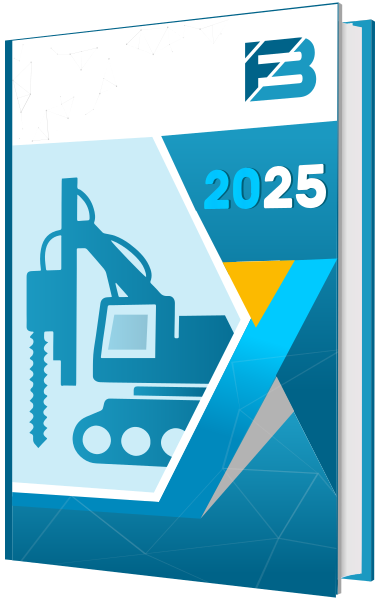
- 2021-2034
- 2025
- 2021-2024
- 128
-

(Offer valid till 15th Nov 2026)
Get 30-60 hrs Free Customization
Expand Regional and Country Coverage, Segments Analysis, Company Profiles, Competitive Benchmarking, and End-user Insights.









-
US +1 833 909 2966 ( Toll Free )
-
Get In Touch With Us