Seed Coating Market Size, Share & Industry Analysis, By Form (Powder, Liquid), By Additive (Polymers, Colorants, Binders, Minerals), By Crop Type (Cereals & Grains, Oilseeds & Pulses), By Process (Encrusting, Pelleting) and Regional Forecast, 2026-2034
 Download Free Sample

Seed Coating Market Overview
The global seed coating market size was valued at USD 2.71 billion in 2025. The market is projected to grow from USD 2.77 billion in 2026 to USD 3.27 billion by 2034, exhibiting a CAGR of 2.13% during the forecast period.

The seed coating market is gaining strong momentum due to increasing demand for enhanced crop productivity, precision agriculture practices, and advanced seed treatment technologies. Seed coating solutions improve seed performance by enhancing germination, protecting against pests and diseases, and supporting nutrient delivery during early crop growth stages. Agricultural producers are increasingly adopting coated seeds to improve planting efficiency and optimize crop establishment under varying environmental conditions. Rising awareness regarding sustainable farming and modern agricultural inputs is strengthening the seed coating market outlook. Technological advancements in polymer science, biological coatings, and micronutrient integration are also contributing significantly to seed coating market growth across global agricultural sectors.
The United States seed coating market remains a leading contributor due to extensive adoption of commercial farming techniques and large-scale cultivation of corn, soybean, wheat, and vegetable crops. Farmers across the country increasingly rely on coated seeds to improve crop uniformity, disease resistance, and planting precision. Rising investments in seed technology and advanced agricultural chemicals are supporting widespread market penetration. Precision farming initiatives and increasing demand for sustainable crop management practices continue to accelerate adoption of seed coating materials. The seed coating market Share in the United States is further strengthened by ongoing research in biological seed enhancement technologies and high-performance polymer formulations.
seed coating market Key Takeaways
 Global Market Size & Forecast
- 2025 Market Size: USD 2.71 Billion
- 2026 Market Size: USD 2.77 Billion
- 2034 Forecast Market Size: USD 3.27 Billion
- CAGR: 2.13% from 2026-2034
 Market Share
- The market in North America dominated with a revenue share of 36% in 2025.
- Cereals and grains held the largest crop type share at approximately 63%.
- Encrusting held the leading process segment share at approximately 58%.
 Key Regional Highlights
Asia-Pacific
Asia-Pacific held a 27% share, supported by expanding agricultural production and rising demand for improved crop yields.
North America
North America led the global seed coating market with a 36% share, supported by advanced agricultural practices.
Europe
Europe accounted for 28% of the market, driven by adoption of precision farming and sustainable seed treatments.
U.S.
The U.S. market is supported by extensive cereal and grain cultivation and increasing adoption of advanced seed treatment technologies.
Japan
Japan accounted for 24% of the Asia-Pacific market, supported by precision agriculture and demand for high-quality coated seeds.
Read More

seed coating market Latest Trends
The seed coating market trends highlight growing adoption of biological and environmentally sustainable seed coating technologies. Agricultural companies are increasingly developing coatings containing beneficial microbes, bio-stimulants, and organic nutrients to improve crop resilience and reduce dependency on synthetic chemicals. Farmers are seeking seed treatments that enhance drought tolerance, nutrient absorption, and disease resistance while aligning with sustainable agriculture objectives. The increasing use of biodegradable coating materials is also reshaping product innovation across the Seed Coating Industry Analysis.
Download Free sample to learn more about this report.
Another major trend shaping the seed coating market research report is the integration of precision agriculture technologies with advanced seed treatment systems. Manufacturers are introducing smart coating formulations designed for controlled release of nutrients and crop protection agents. Color-coded coatings and digital traceability solutions are improving seed identification and planting accuracy. Growing demand for high-value crops including vegetables, fruits, and specialty grains is driving adoption of customized coating formulations. Expansion of commercial hybrid seed production and increasing mechanization in farming operations continue to create long-term seed coating market Opportunities globally.
seed coating market Dynamics
DRIVER
Increasing Demand for Enhanced Seed Performance and Crop Productivity
The rising global demand for higher agricultural productivity is a major factor driving the seed coating market growth. Farmers are increasingly adopting coated seeds to improve germination rates, seedling vigor, and crop establishment under challenging environmental conditions. Seed coating technologies provide essential protection against pests, fungal diseases, and soil-borne pathogens while supporting nutrient delivery during early growth stages. Growing pressure on agricultural systems to maximize yields from limited arable land is accelerating adoption of advanced seed treatment solutions.
The seed coating market analysis indicates that increasing mechanization in farming operations is also contributing to market expansion. Coated seeds improve seed flowability and planting precision, making them highly compatible with modern seeding equipment. Rising awareness regarding sustainable crop production and integrated pest management practices further supports demand for biological and low-toxicity coating solutions. Agricultural companies are investing heavily in research and development to improve seed enhancement technologies and support climate-resilient farming systems. Expanding commercial seed production and growing cultivation of high-value crops continue to strengthen the long-term seed coating market outlook.
RESTRAINT
High Treatment Costs and Regulatory Limitations
One of the major restraints affecting the seed coating market is the high cost associated with advanced coating materials and treatment technologies. Premium polymers, biological additives, micronutrients, and specialty colorants significantly increase the overall cost of treated seeds. Small-scale farmers in developing economies often face affordability challenges when adopting coated seed technologies, limiting broader market penetration in price-sensitive agricultural regions.
The Seed Coating Industry Report also highlights regulatory restrictions related to chemical seed treatment components and environmental safety concerns. Governments across several regions are implementing strict guidelines regarding pesticide use, synthetic polymers, and seed treatment residues. Compliance with evolving agricultural and environmental regulations increases operational complexity for manufacturers. In addition, fluctuating raw material prices and supply chain disruptions affect production stability and product availability. Concerns regarding improper seed treatment application and uneven coating performance further influence customer confidence. These factors collectively restrain long-term seed coating market Share expansion across several agricultural markets.
OPPORTUNITY
Expansion of Biological Coatings and Precision Agriculture
The increasing adoption of biological seed treatment technologies presents significant opportunities within the seed coating market. Agricultural producers are actively seeking environmentally sustainable solutions capable of improving crop productivity while reducing chemical dependency. Biological coatings containing microbial inoculants, bio-fertilizers, and natural growth stimulants are gaining popularity across cereal, vegetable, and oilseed farming systems. Rising consumer demand for sustainable food production is further encouraging adoption of eco-friendly seed enhancement products.
The seed coating market forecast also indicates strong opportunities linked to precision agriculture and digital farming technologies. Smart seed coatings designed for controlled nutrient release and targeted crop protection are improving planting efficiency and crop management practices. Companies are investing in advanced polymer engineering and nano-coating technologies to improve coating durability and treatment effectiveness. Emerging agricultural economies with expanding commercial farming operations continue to offer strong market potential. Strategic partnerships between seed companies, agricultural chemical manufacturers, and biotechnology firms are expected to strengthen long-term seed coating market Opportunities worldwide.
CHALLENGE
Environmental Concerns and Treatment Consistency Issues
The seed coating market faces several challenges related to environmental sustainability and maintaining treatment consistency across different crop conditions. Some synthetic coating materials and chemical additives have raised concerns regarding soil contamination, pollinator safety, and ecosystem impact. Increasing regulatory scrutiny regarding agricultural chemicals and seed treatment practices is creating operational pressure for manufacturers and distributors.
The seed coating market Insights reveal that achieving consistent coating quality and uniform treatment distribution remains a significant technical challenge. Variations in seed size, shape, and moisture content can affect coating adhesion and product performance. Manufacturers must continuously optimize application technologies to ensure accurate dosing and effective seed protection. Additionally, changing climate conditions and unpredictable weather patterns may influence coating stability and germination effectiveness. Intense market competition and rising research expenses further increase pressure on companies operating within the seed coating market research report landscape.
seed coating market Segmentation
By Form
Powder seed coatings remain widely utilized in the seed coating market due to their cost-effectiveness, ease of application, and compatibility with large-scale agricultural operations. Powder coatings are commonly used for delivering fungicides, insecticides, micronutrients, and biological additives directly onto seed surfaces. Farmers increasingly adopt powder-based coatings because they improve seed handling, reduce dust generation, and support uniform planting performance. The segment continues to play a significant role across cereal, grain, and vegetable crop production systems. Powder coatings account for approximately 44% of the global seed coating market Share. The segment benefits from increasing demand for economical seed treatment solutions in developing agricultural markets. Manufacturers are introducing advanced powder formulations with improved adhesion properties and enhanced compatibility with biological treatment agents.
Liquid seed coatings represent the dominant segment within the seed coating market due to their superior treatment uniformity, precise application capabilities, and compatibility with advanced seed enhancement technologies. Liquid coatings are widely utilized for applying polymers, nutrients, fungicides, insecticides, and colorants to improve seed performance and crop establishment. The segment is benefiting from increasing adoption of precision agriculture practices and automated seed treatment systems across large-scale farming operations. Liquid coatings contribute nearly 56% of the global seed coating market Share. The segment supports enhanced seed appearance, improved flowability, and controlled release of active ingredients during germination. Agricultural companies are increasingly investing in liquid polymer technologies designed to improve coating durability and environmental sustainability.
To know how our report can help streamline your business, Speak to Analyst
By Additive
Polymers represent one of the most important application segments in the seed coating market due to their critical role in improving coating adhesion, durability, and treatment consistency. Polymer coatings help protect seeds from mechanical damage while enabling controlled delivery of nutrients and crop protection agents. Increasing demand for precision seed placement and enhanced planting efficiency is supporting widespread adoption of advanced polymer technologies across commercial farming systems. Polymers account for approximately 38% of the seed coating market Share. Manufacturers are increasingly developing biodegradable and environmentally sustainable polymer formulations to align with evolving agricultural regulations and sustainability goals.
Colorants play a significant role in the seed coating market by improving seed visibility, product identification, and treatment differentiation. Agricultural companies use color-coated seeds to ensure proper product handling, reduce accidental misuse, and enhance planting accuracy. Colorants also contribute to branding strategies and improve visual appeal within commercial seed distribution channels. Farmers increasingly prefer treated seeds with clear identification features that simplify storage and field management practices. Colorants contribute nearly 21% of the global seed coating market Share. The segment is benefiting from rising adoption of customized seed treatment programs and increasing mechanization in agriculture.
Binders are essential components within the seed coating market because they ensure effective adhesion of treatment materials to seed surfaces. These materials improve coating stability, reduce treatment loss during transportation, and support uniform distribution of active ingredients. Increasing adoption of complex seed treatment formulations containing biological additives and micronutrients is driving demand for advanced binder technologies. Binders account for approximately 24% of the seed coating market Share. Manufacturers are investing in water-based and biodegradable binder formulations to improve environmental sustainability and treatment compatibility.
Minerals represent an important application segment in the seed coating market due to their role in supporting nutrient delivery and improving seedling development. Mineral-based coatings provide essential micronutrients such as zinc, calcium, magnesium, and iron that support early plant growth and stress tolerance. Farmers increasingly utilize mineral coatings to improve crop establishment in nutrient-deficient soils and challenging environmental conditions. Minerals contribute approximately 17% of the seed coating market Share. The segment is supported by rising awareness regarding soil health management and balanced crop nutrition strategies.
By Crop Type
Cereals and grains represent the dominant crop type segment within the seed coating market due to the extensive global cultivation of corn, wheat, rice, barley, and sorghum. Farmers increasingly use coated cereal and grain seeds to improve germination consistency, seedling vigor, and resistance against fungal and insect attacks during the early growth cycle. Rising demand for food security and high-yield crop production is significantly supporting adoption of advanced seed coating technologies across cereal farming systems. Precision planting requirements and mechanized seeding operations are also increasing the use of coated cereal seeds globally. Cereals and grains account for approximately 63% of the global seed coating market Share. The segment benefits from increasing demand for biological seed treatments, micronutrient coatings, and polymer-based protection systems designed to improve crop resilience under changing climate conditions.
Oilseeds and pulses represent a rapidly expanding segment within the seed coating market due to rising global demand for soybean, sunflower, canola, lentils, chickpeas, and peas. Farmers increasingly adopt coated oilseed and pulse seeds to improve nutrient absorption, disease resistance, and root development during germination. Seed coating technologies are particularly important for pulses because these crops often require microbial inoculants and biological enhancements to improve nitrogen fixation and soil interaction efficiency. Oilseeds and pulses contribute nearly 37% of the global seed coating market Share. The segment is benefiting from growing demand for plant-based protein production and sustainable crop rotation practices. Agricultural producers are increasingly seeking environmentally friendly coatings that support higher productivity while minimizing chemical usage.
By Process
Encrusting is a widely adopted process within the seed coating market because it enhances seed size uniformity while maintaining the original seed shape. This process involves applying protective materials, nutrients, polymers, and biological additives directly onto the seed surface to improve planting precision and seed performance. Farmers increasingly prefer encrusted seeds because they provide better flowability through mechanized planting systems and improve field-level seed distribution consistency. Encrusting accounts for approximately 58% of the global seed coating market Share. The process is highly favored in cereal, vegetable, and oilseed cultivation where precision planting and accurate seed spacing are critical for productivity.
Pelleting represents an important process segment in the seed coating market due to its ability to significantly alter seed size and shape for improved planting efficiency. Pelleted seeds are commonly used in vegetable, flower, and specialty crop cultivation where small or irregularly shaped seeds require enhanced precision during sowing operations. The process improves seed handling, minimizes seed waste, and supports automated planting systems used in commercial agriculture. The seed coating market forecast also identifies increasing adoption of pelleted seeds in precision farming and controlled-environment agriculture systems where operational efficiency and crop consistency remain key priorities.
seed coating market Regional Outlook
North America
North America Seed Coating Market Share, 2025 (%)
To get more information on the regional analysis of this market, Download Free sample
North America remains a leading region in the seed coating market due to advanced agricultural infrastructure, widespread adoption of precision farming, and strong commercial seed production capabilities. Farmers across the region increasingly rely on coated seeds to improve planting efficiency, crop protection, and yield consistency. Rising demand for high-performance hybrid seeds and sustainable crop management practices continues to support market expansion.
North America accounts for approximately 36% of the global seed coating market Share. The region benefits from extensive research in agricultural biotechnology and seed enhancement technologies. Companies are investing heavily in biological coatings, advanced polymers, and precision seed treatment systems to address evolving agricultural requirements. Increasing adoption of mechanized farming equipment and digital agriculture platforms further strengthens regional market growth. The seed coating market outlook remains positive due to ongoing innovation in crop protection and sustainable farming solutions.
Europe
Europe represents a significant market within the Seed Coating Industry Analysis due to strong environmental regulations and growing demand for sustainable agricultural practices. Farmers across the region increasingly adopt seed coating technologies that improve nutrient efficiency and reduce chemical application in crop production. Rising emphasis on biological seed treatments and eco-friendly coating materials is shaping product development strategies among agricultural input manufacturers.
Europe holds nearly 28% of the global seed coating market Share. The region benefits from advanced seed technology research and increasing government support for sustainable agriculture initiatives. Agricultural companies are introducing biodegradable polymers and low-toxicity seed treatment solutions to comply with evolving regulatory standards. Growing cultivation of specialty crops and expanding organic farming activities continue to strengthen market demand. The seed coating market research report also highlights increasing investments in precision agriculture technologies across European farming systems.
Germany Seed Coating Market
Germany is one of the leading contributors to the European seed coating market due to its advanced agricultural technology sector and strong focus on sustainable farming practices. Farmers across the country increasingly adopt precision seed treatment solutions to improve crop productivity and optimize resource utilization. Demand for biological coatings and environmentally safe treatment formulations is rising steadily within commercial farming operations.
Germany contributes approximately 11% of Europe’s seed coating market Share. The country benefits from extensive agricultural research infrastructure and increasing investment in biotechnology innovation. Manufacturers are introducing advanced polymer coatings and microbial seed enhancement products designed for climate-resilient farming systems. Growing awareness regarding soil health and integrated crop management practices continues to support market expansion. The seed coating market analysis also indicates rising demand for specialty seed treatments in vegetable and high-value crop cultivation across Germany.
United Kingdom Seed Coating Market
The United Kingdom seed coating market is expanding steadily due to increasing adoption of sustainable farming methods and advanced crop protection technologies. Farmers are increasingly utilizing coated seeds to improve planting accuracy, crop establishment, and disease resistance under varying climatic conditions. Rising investment in precision agriculture and digital farming technologies is supporting broader adoption of seed treatment solutions across the country.
The United Kingdom accounts for nearly 9% of Europe’s seed coating market Share. Agricultural producers are increasingly adopting biological coatings and micronutrient-enriched seed treatments to enhance crop resilience and nutrient efficiency. The market also benefits from growing research into eco-friendly agricultural inputs and integrated pest management systems. Expanding cultivation of cereals, vegetables, and oilseed crops continues to strengthen the seed coating market outlook within the United Kingdom agricultural sector.
Asia-Pacific
Asia-Pacific is emerging as a rapidly growing region in the seed coating market due to expanding agricultural production, rising food demand, and increasing mechanization in farming operations. Countries across the region are investing heavily in modern agricultural technologies to improve crop yields and food security. Farmers increasingly adopt coated seeds to address challenges related to pests, diseases, and changing climate conditions.
Asia-Pacific represents approximately 27% of the global seed coating market Share. The region benefits from strong growth in hybrid seed production and increasing awareness regarding precision agriculture practices. Governments are promoting advanced crop management solutions and sustainable farming initiatives to support agricultural productivity. Manufacturers are expanding regional production capacities and introducing cost-effective seed treatment technologies tailored to local crop requirements. The seed coating market forecast highlights significant long-term opportunities across emerging agricultural economies in Asia-Pacific.
Japan Seed Coating Market
Japan remains an important market within the Seed Coating Industry Report due to its focus on advanced agricultural technologies and high-quality crop production systems. Farmers increasingly adopt coated seeds to improve germination efficiency, crop consistency, and disease management in limited agricultural land areas. Precision agriculture and controlled-environment farming practices are supporting strong demand for specialized seed enhancement products.
Japan contributes around 24% of the Asia-Pacific seed coating market Share. The country benefits from advanced biotechnology research and increasing investment in sustainable agriculture solutions. Manufacturers are introducing premium biological coatings and precision nutrient delivery systems designed for vegetable and specialty crop production. Rising demand for environmentally safe agricultural inputs and efficient resource utilization continues to strengthen the seed coating market Opportunities in Japan.
China Seed Coating Market
China is one of the fastest-growing markets in the seed coating market due to large-scale agricultural production and increasing government support for modern farming technologies. Farmers across the country are adopting coated seeds to improve crop yields, pest resistance, and planting efficiency. Expansion of hybrid seed cultivation and rising demand for high-productivity farming systems are accelerating market growth.
China accounts for approximately 41% of the Asia-Pacific seed coating market Share. Domestic agricultural companies are investing heavily in advanced seed treatment technologies and large-scale production facilities. Increasing awareness regarding precision agriculture and balanced nutrient management is strengthening adoption of coated seed solutions. Government initiatives promoting food security and sustainable farming continue to create strong growth opportunities within the Chinese seed coating market outlook.
Rest of World
The Rest of World region, including Latin America, the Middle East, and Africa, is gradually expanding within the seed coating market due to increasing agricultural modernization and rising awareness regarding crop productivity improvement. Farmers across these regions are increasingly adopting coated seeds to address challenges related to drought, pests, and poor soil fertility. Expanding commercial farming activities and government support for modern agriculture are supporting market growth.
The Rest of World region represents approximately 9% of the global seed coating market Share. Agricultural companies are introducing affordable seed treatment solutions tailored to regional crop requirements and climatic conditions. Growing investment in irrigation systems, hybrid seeds, and agricultural extension programs continues to improve market penetration. Although infrastructure limitations remain a challenge in certain regions, rising focus on food security and sustainable agriculture is expected to strengthen future seed coating market Opportunities.
List of Top Seed Coating Companies
- Solvay
- BASF SE
- Croda International Plc
- Clariant
- DSM
- Precision Laboratories LLC
- Chromatech Incorporated
- Germains Seed Technology
- Universal Coating Systems
- Michelman Inc.
Top Two Companies by Market Share
- BASF SE – 18%
- Croda International Plc – 14%
Investment Analysis and Opportunities
The seed coating market is witnessing increasing investment activity due to rising demand for sustainable agriculture technologies and precision crop management solutions. Agricultural input manufacturers are investing heavily in biological coatings, advanced polymer systems, and micronutrient delivery technologies. Expansion of research facilities and production capacities is enabling companies to improve treatment efficiency and strengthen global distribution networks. Investments in climate-resilient crop technologies are also accelerating innovation within the seed treatment sector.
The seed coating market Opportunities are particularly strong in biological seed enhancement and digital agriculture integration. Agricultural producers increasingly seek environmentally sustainable coating solutions capable of improving crop productivity while reducing chemical usage. Emerging agricultural economies present significant expansion opportunities due to growing mechanization and commercial farming adoption. Strategic collaborations between biotechnology firms, seed companies, and agricultural chemical manufacturers are supporting development of next-generation seed coating technologies. The seed coating market forecast also highlights rising opportunities in specialty crops, organic farming, and precision nutrient management systems.
New Product Development
New product development in the seed coating market is focused on improving seed performance, environmental sustainability, and compatibility with precision farming systems. Manufacturers are introducing advanced biological coatings containing beneficial microbes, bio-stimulants, and natural growth promoters to enhance crop resilience and nutrient uptake. Biodegradable polymers and eco-friendly binder technologies are also gaining increasing attention within the agricultural input sector.
Companies are investing in smart coating technologies capable of controlled nutrient release and targeted crop protection delivery. Nanotechnology-based seed coatings and multilayer treatment systems are improving coating durability and germination efficiency. The seed coating market trends also indicate growing demand for color-coded coatings that improve seed traceability and planting precision. Increasing research in climate-adaptive crop treatments and precision seed enhancement technologies continues to strengthen innovation across the global Seed Coating Industry Analysis.
Five Recent Developments (2023-2025)
- BASF SE expanded biological seed treatment research for sustainable crop enhancement solutions.
- Croda International Plc introduced advanced biodegradable polymer coatings for commercial agriculture.
- Clariant strengthened seed coating production capabilities across Asia-Pacific agricultural markets.
- DSM expanded partnerships focused on microbial seed enhancement technologies.
- Germains Seed Technology launched precision nutrient-delivery coating systems for vegetable crops.
Report Coverage of seed coating market
The seed coating market Report provides detailed analysis of market trends, segmentation, regional outlook, competitive landscape, investment strategies, and technological developments influencing the global agricultural input industry. The report evaluates the impact of precision farming, biological seed treatments, and sustainable agriculture practices on market demand. It includes comprehensive analysis of powder and liquid coating technologies along with key application segments including polymers, colorants, binders, and minerals.
Request for Customization to gain extensive market insights.
The seed coating market research report also examines major growth drivers, operational challenges, environmental regulations, and emerging opportunities shaping industry expansion. Regional analysis covers North America, Europe, Asia-Pacific, and Rest of World markets with country-level insights regarding agricultural modernization and seed technology adoption. The report further analyzes competitive strategies, product innovation, manufacturing expansion, and strategic partnerships among leading agricultural companies. Detailed evaluation of biological coatings, digital agriculture integration, and climate-resilient farming technologies provides valuable insights for stakeholders operating within the global Seed Coating Industry Report.
Frequently Asked Questions
Fortune Business Insights says that the global market value stood at USD 2.71 billion in 2025 and is projected to reach USD 3.27 billion by 2034.
The market is expected to exhibit a CAGR of 2.13% during the forecast period of 2026-2034.
Liquid seed coatings led the form segment with approximately 56% market share, supported by superior treatment uniformity and precise application capabilities.
Key players include BASF SE, Bayer AG, Syngenta AG, Corteva, Inc., Croda International Plc, and UPL Limited.
Major trends include increasing adoption of precision agriculture, biological seed treatments, and sustainable biodegradable coating technologies. North America led the regional market with a 36% share, supported by advanced agricultural practices.


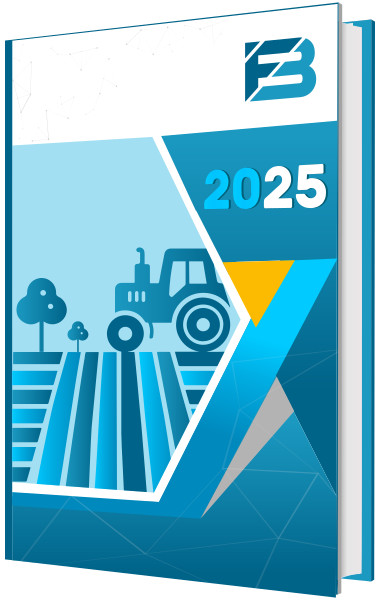
- 2021-2034
- 2025
- 2021-2024
- 140
-

(Offer valid till 31st Oct 2026)
Get 30-60 hrs Free Customization
Expand Regional and Country Coverage, Segments Analysis, Company Profiles, Competitive Benchmarking, and End-user Insights.










-
US +1 833 909 2966 ( Toll Free )
-
Get In Touch With Us